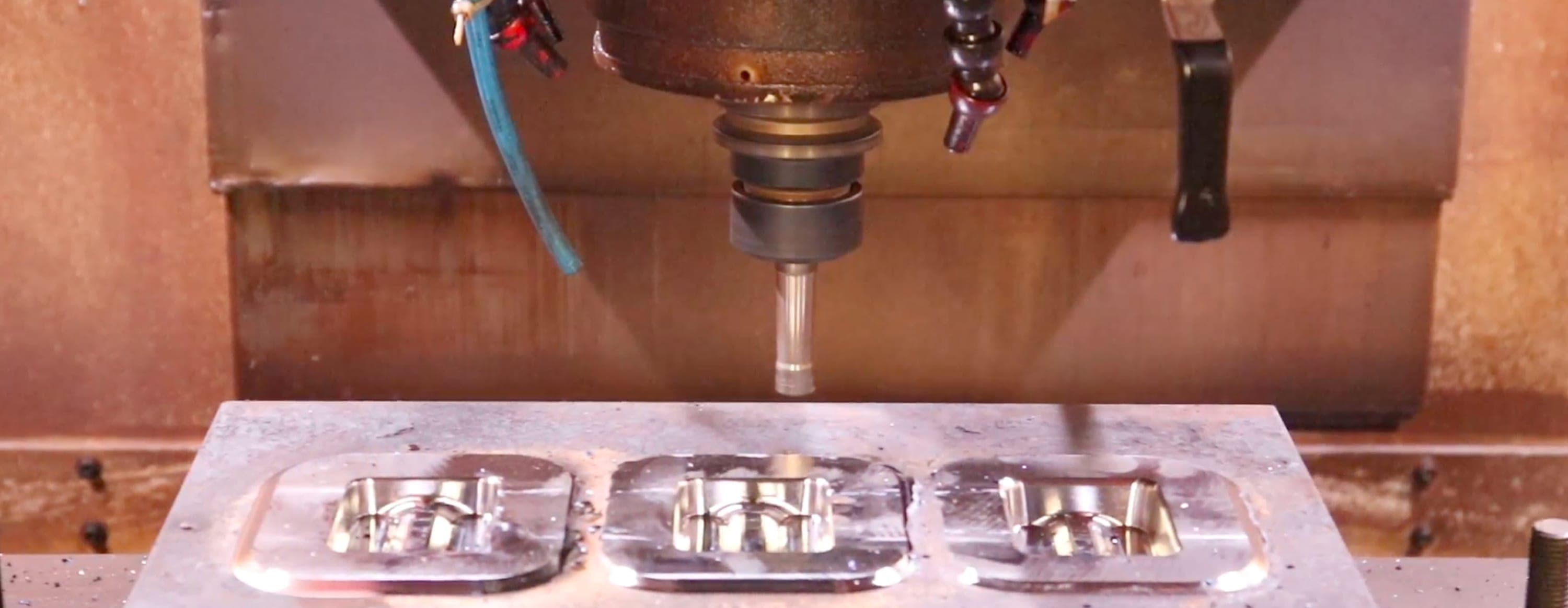
The Facility
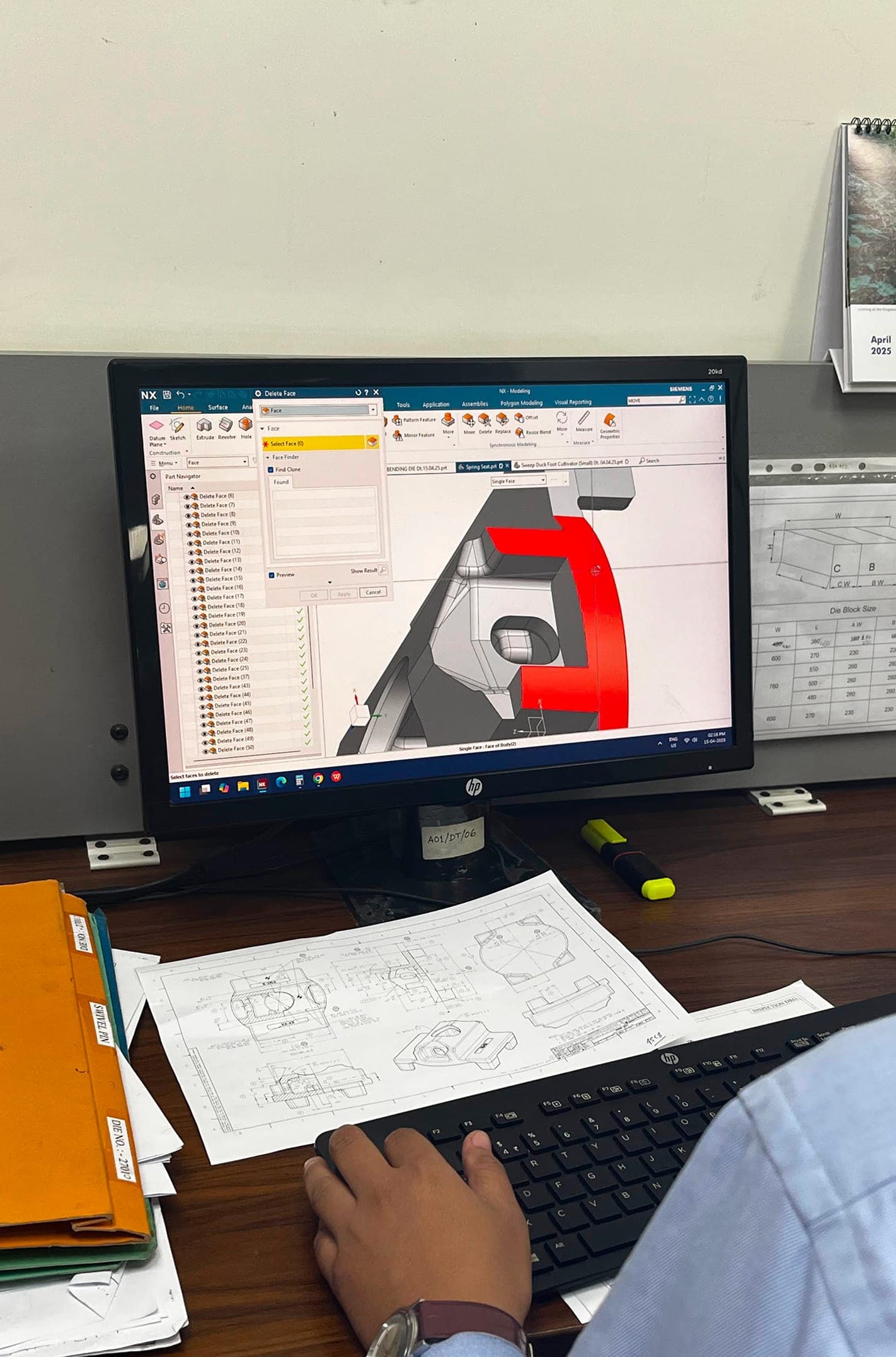
Our dedicated Design and Development team leverages advanced engineering software, forging simulation tools, and deep domain expertise to deliver “First-Time-Right” forging solutions. From Print to PPAP, the team ensures strict adherence to all technical and quality parameters, enabling faster development cycles and seamless customer approvals.
Beyond development, our engineers are continuously engaged in value engineering initiatives, focused on improving material yield, optimizing die design, and enhancing process efficiencyallowing us to pass tangible cost and performance benefits on to our customers.
We believe in collaborative engineering. Our team works closely with customers to understand application-specific requirements and proactively refine designs, ensuring continuous product improvement and long-term value creation.
Process Yield Improvement
Improved Cycle Times
Superior Quality Environment
Value Analysis and Value Engineering
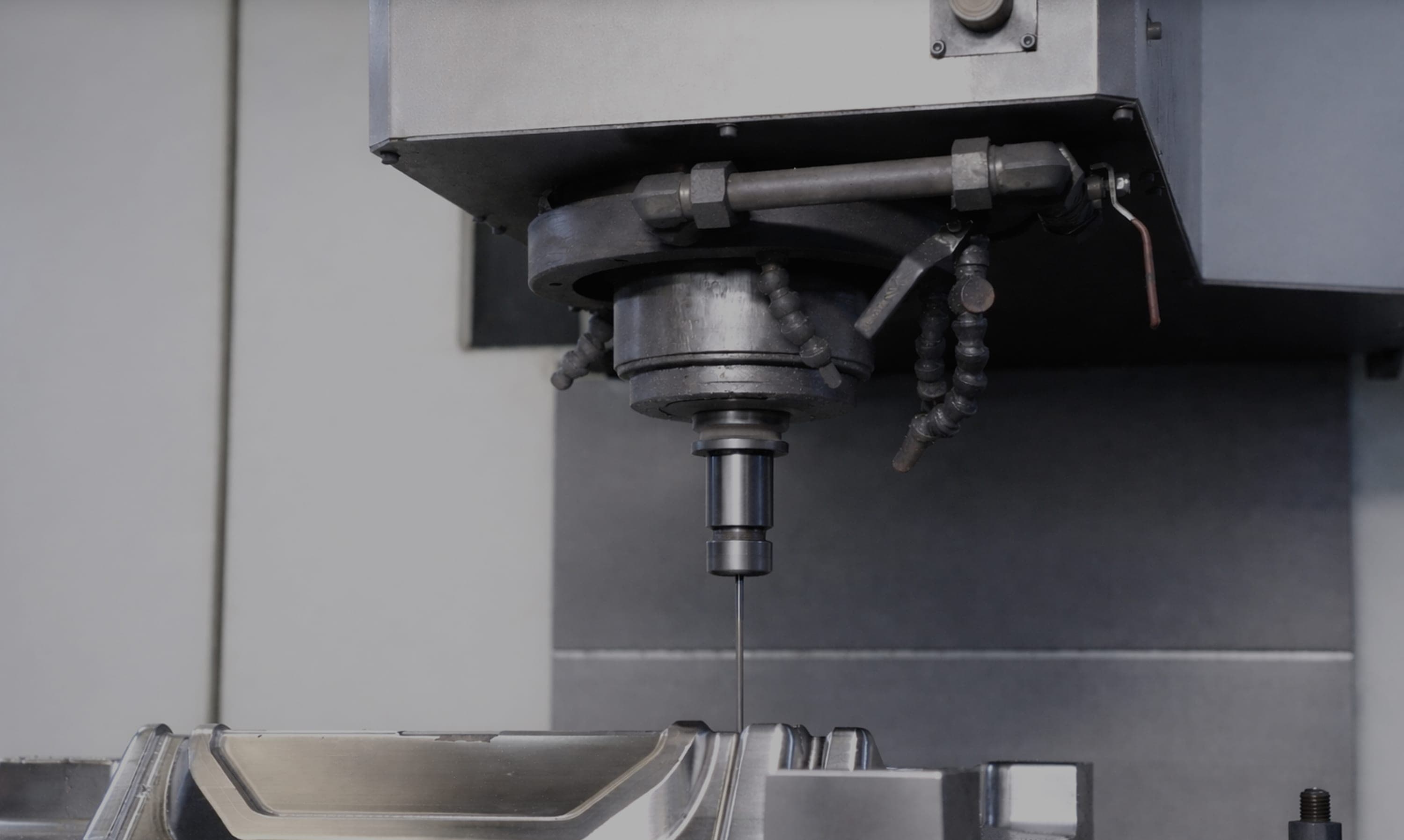
Part Development
Our development journey follows a structured approach to forging part realization. Each component begins with feasibility assessment, including print review, load calculations, material selection, and process route definition. Forging simulations are used to optimize metal flow, grain structure, die design, and flash control to achieve stable dimensions and prevent defects.
Process development includes risk analysis, parameter definition, and tooling validation, followed by forging trials to confirm repeatability. Parts are verified through dimensional inspection, metallurgical testing, and process capability studies before release for production. After validation, we focus on process improvement and value engineering by increasing yield, improving die life, and reducing variation to ensure consistent quality and reliable performance throughout the product lifecycle.
QUALITY ASSURANCE
Quality is built into every stage of our forging process through a structured, prevention-focused approach. We begin with incoming material verification and full traceability, followed by controlled process planning, risk analysis, and defined control plans for all critical characteristics. Key process parameters are continuously monitored to ensure consistency and repeatability.
Dimensional, metallurgical, and functional inspections are carried out through in-process and final verification, supported by calibrated measurement systems and appropriate non-destructive testing where required. We drive continual improvement through root-cause analysis, corrective actions, and process optimization to reduce variation, improve yield, and ensure consistent, reliable performance across all supplied components.
%2Fbg.jpg&w=3840&q=75)
%2Fattachment-2.jpeg&w=3840&q=75)